Work in a fabrication workshop involves various tools and heated processes, so safety gear is part of the daily routine. Workers wear specific items to reduce exposure to sparks, sharp edges, and loud noise.
The following article lists the gear typically seen during daily tasks and how each item functions.
Head and face protection
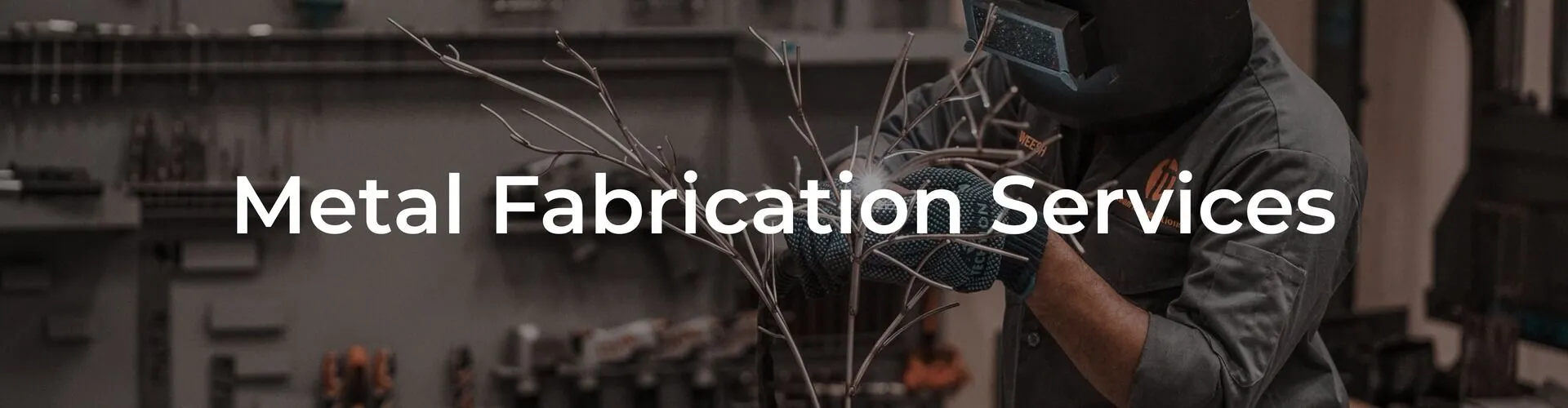
A metal fabrication company provides helmets to welders with dark lenses to shield their eyes from arc flashes and bright sparks. Face shields or visors are added during grinding and cutting tasks. These protect against flying particles, hot metal, or dust. Hard hats are also worn in work areas with overhead risks or lifting equipment.
Eye protection
Safety glasses with side protection are used for general tasks. These guard against fine debris and sparks. For extra safety, goggles may be worn over glasses during high-risk jobs. The lenses are impact-resistant and often have anti-fog coatings to keep visibility clear.
Hearing protection
Machines in a metal workshop produce high noise levels. Earplugs or earmuffs are used to reduce sound and protect hearing. Each worker selects the type that fits well and provides enough coverage for the task being done.
Hand protection
Cutting and welding create heat and sharp edges, so gloves are worn at all times. Welders use heavy leather gloves to block heat and spatter. Other workers use flexible cut-resistant gloves for better grip during handling and assembly. Gloves are changed based on wear or task changes.
Body protection
Aprons and jackets made of flame-resistant fabric or leather are worn to protect the chest and arms from sparks and heat. Long sleeves and fitted cuffs prevent hot metal from reaching the skin. The clothing must fit well and cover the full upper body during work.
Foot protection
Steel-toe boots are worn across the workshop. These prevent foot injuries from dropped parts or heavy tools. Non-slip soles are added to reduce the chance of falls in areas where fluids or fine dust might be present.
Respiratory protection
Grinding, welding, and cutting may release fumes or fine particles. Workers use dust masks or fitted respirators with replaceable filters. These masks are checked often for fit and replaced when filters reach the end of use.