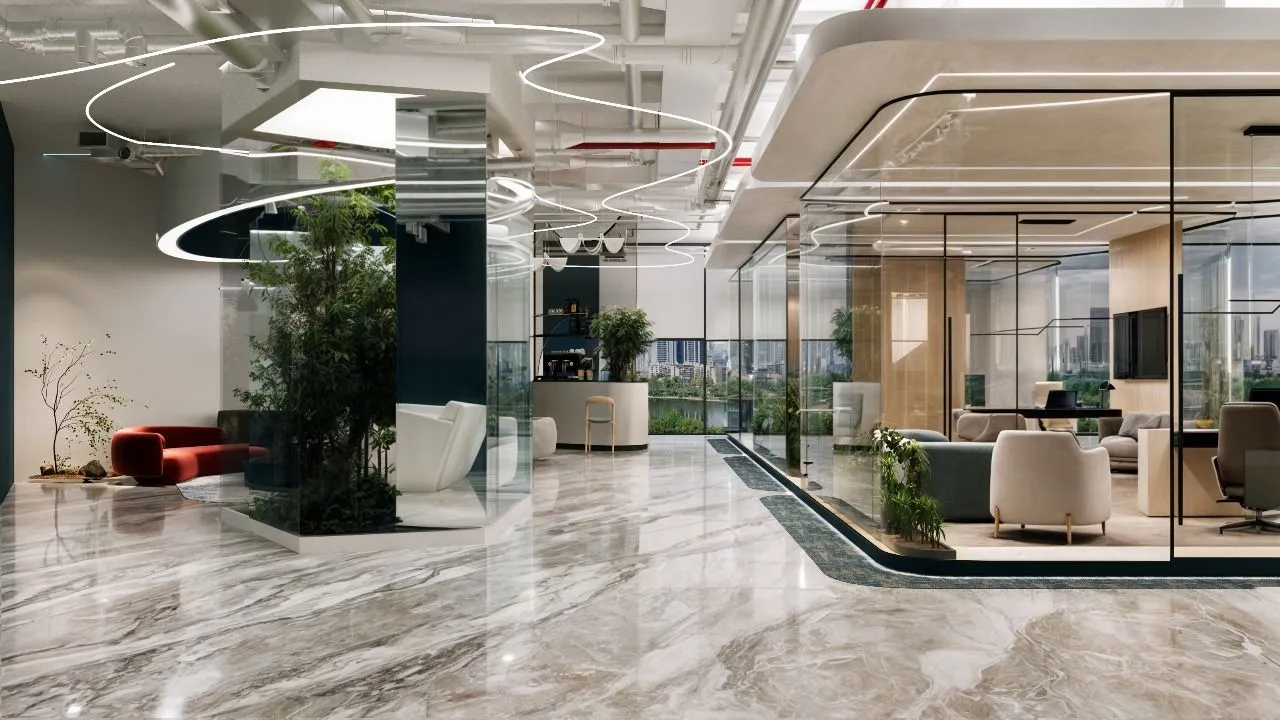
Small spaces require careful planning to feel open and functional. Designers start by measuring areas, studying natural light, and observing traffic flow. The top interior design firms in Dubai typically create detailed sketches and digital layouts to explore how every corner can serve a purpose.
Using Smart Storage Solutions
Storage is key in small homes. Designers focus on built-in cabinets, under-bed storage, floating shelves, and multi-purpose furniture. Clever storage keeps rooms tidy without adding clutter. Thoughtful organization allows residents to store essentials while leaving open areas that feel spacious and comfortable. Creative storage solutions often make a small home more enjoyable to live in.
Choosing the Right Colors
Colors influence how space feels. Light and neutral tones can make rooms appear larger and brighter. Designers often add pops of color through accessories, rugs, or art to create visual interest. This approach balances a sense of openness with personality, making compact spaces functional, stylish, and visually appealing.
Selecting Appropriate Furniture
Furniture size and scale matter in compact areas. Designers select pieces that fit the room while allowing movement. Multi-functional furniture, like sofa beds, extendable tables, or nesting chairs, serves multiple purposes. Thoughtful selection ensures comfort without overwhelming the space or blocking natural pathways, creating a home that feels airy yet practical.
Maximizing Light and Reflection
Natural light and reflective surfaces enhance small spaces. Large windows, mirrors, and glossy finishes bounce light around the room. Designers combine ceiling lights, wall lamps, and floor lamps to create depth and openness. Layered lighting adds warmth and highlights areas, making compact spaces feel larger and inviting throughout the day.
Creating Zones in Small Rooms
Even small rooms benefit from clear zones. Designers divide areas for work, rest, and socializing using rugs, furniture placement, or screens. Defining zones helps each activity feel separate without physical walls. This approach improves functionality, encourages organized use of space, and gives a sense of purpose to every corner of the home.
Incorporating Personal Touches
Small spaces still need personality. Designers recommend adding art, plants, textiles, and personal mementos that reflect the owner’s style. Thoughtful decor transforms compact areas into warm, livable environments while maintaining order and flow. Personal touches make a small home feel welcoming and uniquely yours.
Designing small spaces requires balancing function and aesthetics. By combining creativity and strategy, designers help compact homes feel comfortable, stylish, and practical for daily living, proving that small spaces can have big impression.